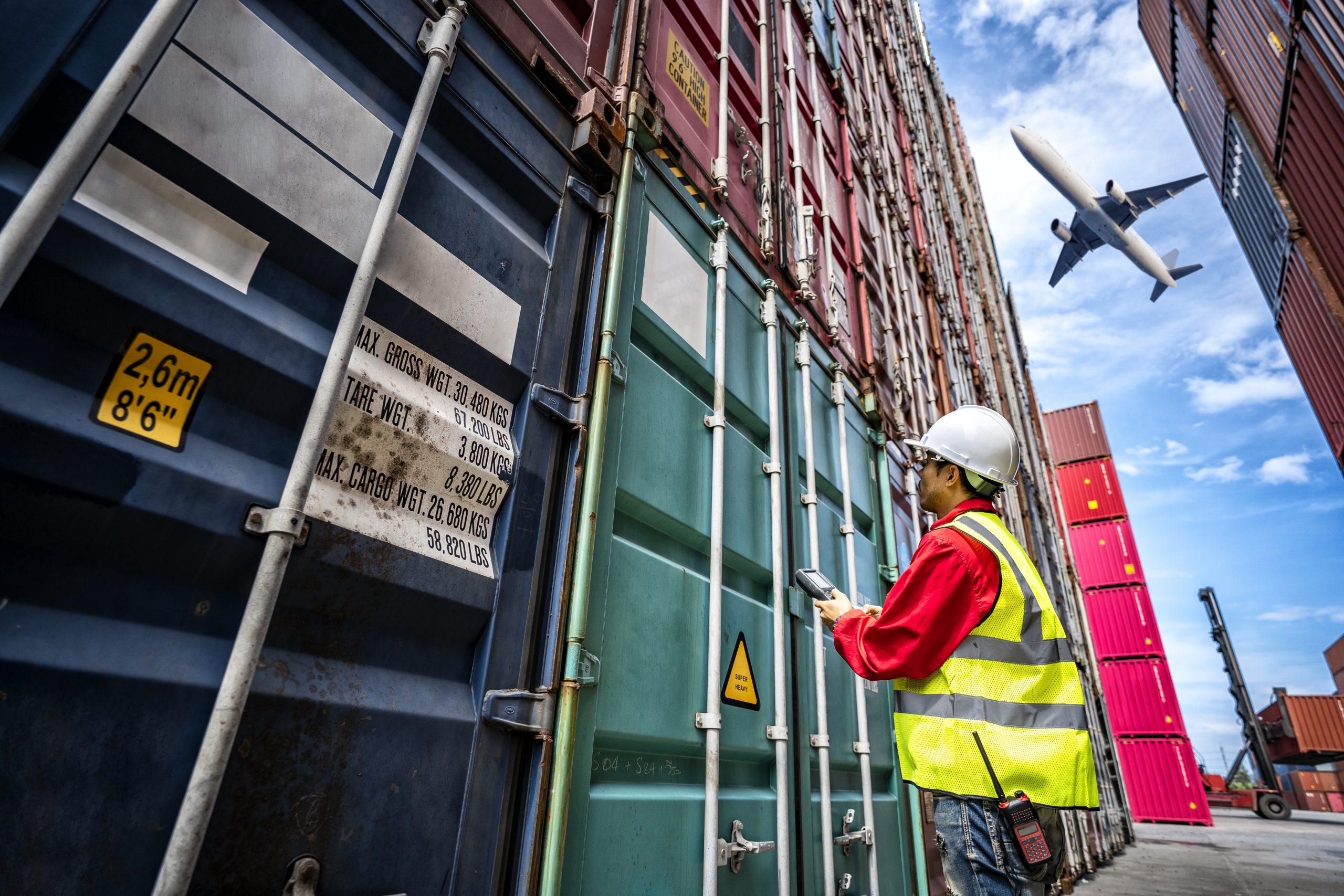
The freight forwarder plays a central role in organizing and managing international logistics flows. Specializing in the pickup and delivery of air cargo, they coordinate between shippers, airlines, and recipients to ensure shipments are fast, secure, and compliant with applicable regulations.
In strategic locations such as EuroAirport Basel–Mulhouse, this activity is essential for the smooth functioning of international trade.
What is a Freight Forwarder?
A freight forwarder is a professional who organizes the transport of goods from point A to point B on behalf of their client.
Unlike a carrier, they do not necessarily perform the transport themselves:
👉 They coordinate all stakeholders (road carriers, airlines, cargo handlers).
They are legally responsible for the proper execution of the transport.
Air Cargo Pickup: A Key Step
Pickup involves collecting goods from the shipper (company, warehouse, or industrial site) and transporting them to the airport cargo terminal.
Main responsibilities:
-
Organizing road transport to the airport
-
Checking transport documents (Air Waybill – AWB)
-
Inspecting packaging and compliance
-
Meeting deadlines aligned with scheduled flights
Good coordination helps prevent delays that could affect international shipments.
Air Cargo Delivery: Speed and Accuracy
Upon the flight’s arrival, the freight forwarder arranges delivery of goods to the final recipient.
Key tasks include:
-
Handling goods at the cargo terminal
-
Coordinating with customs authorities
-
Organizing road transport to the client
-
Ensuring compliance with deadlines and specific requirements (sensitive, pharmaceutical, or industrial products)
Responsiveness is essential, especially for industrial flows or urgent shipments.
Why Use a Freight Forwarder?
✅ Logistics Optimization
A single point of contact coordinates all operations.
✅ Secure Flows
Compliance with air transport and customs regulations.
✅ Time Savings
Reduced lead times through precise planning.
✅ Adaptability
Tailored solutions based on the type of goods (express, dangerous, temperature-controlled).
Air Freight: A Strategic Advantage for Companies
Air freight is particularly suitable for:
-
High-value goods
-
Urgent shipments
-
Critical industrial parts
-
Pharmaceutical or sensitive products
Its speed provides a major competitive advantage for internationally-oriented businesses.
Freight Forwarder and Regulatory Compliance
Pickup and delivery of air cargo require:
-
Knowledge of IATA regulations
-
Compliance with aviation security standards
-
Coordination with customs authorities
-
Full traceability of goods
Technical expertise is essential to avoid delays, fines, and regulatory issues.
Conclusion
A freight forwarder specializing in air cargo pickup and delivery is a strategic link in the international supply chain.
By ensuring coordination, compliance, and speed, they enable companies to secure their international shipments and optimize logistics performance.